Why Hire a Portfolio Website Developer? Your Guide
hire portfolio website developer

Why Hire a Portfolio Website Developer? Your Guide

Unlock your professional potential with a custom-designed portfolio website that showcases your unique talents and secures your next big opportunity.

Find Your Expert Developer

Key Takeaways

  • ✓ A custom portfolio website can increase client inquiries by up to 40%.
  • ✓ Developers offer tailored design, functionality, and SEO optimization.
  • ✓ DIY builders often lack the flexibility and professional polish of custom sites.
  • ✓ Investing in a developer saves time and ensures a high-quality, future-proof platform.

How It Works

1
Define Your Vision & Needs

Clearly articulate your goals, target audience, and desired functionalities for your portfolio. This initial clarity guides the entire development process effectively.

2
Research & Select Developer

Scrutinize portfolios, client testimonials, and communication styles of potential developers. Look for a specialist whose aesthetic aligns with your brand and who understands your industry.

3
Collaborate on Design & Content

Work closely with your chosen developer on wireframes, mockups, and content integration. Provide high-quality assets and feedback to ensure the site reflects your best work.

4
Review, Launch & Maintain

Thoroughly test the site across devices, approve final designs, and prepare for launch. Discuss ongoing maintenance and potential future updates to keep your portfolio fresh and functional.

The Unmatched Value of a Custom Portfolio Website
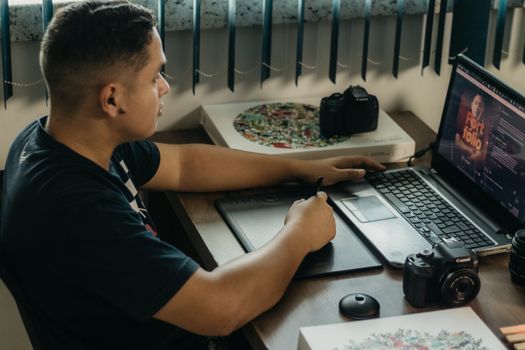
Man editing photos on a laptop using a graphics tablet, set in an indoor workspace with camera equipment. Photo: Kawê Rodrigues / Pexels
In today's hyper-competitive digital landscape, a generic online presence is no longer sufficient. For creatives, freelancers, and professionals across all industries, a portfolio website isn't just a nice-to-have; it's a fundamental necessity. But not all portfolio websites are created equal. While templates and drag-and-drop builders offer a quick solution, they often fall short in delivering the unique impact and tailored functionality that truly sets you apart. This is precisely where the decision to hire a portfolio website developer becomes not just an expense, but a strategic investment. A custom-built portfolio website is your digital storefront, a curated gallery of your best work, and a powerful marketing tool rolled into one. Unlike standardized templates, a developer can craft a site that perfectly reflects your personal brand, aesthetic, and professional ethos. Imagine a photographer whose website perfectly mirrors the mood and lighting of their photography, or a graphic designer whose site is a masterpiece of their own design principles. This level of bespoke integration is simply unattainable with off-the-shelf solutions. A developer can implement unique animations, interactive elements, and custom layouts that engage visitors and leave a lasting impression, transforming a mere collection of projects into an immersive experience. Beyond aesthetics, the underlying architecture of a custom site offers unparalleled advantages. Developers ensure your site is built with clean, efficient code, leading to faster loading times – a critical factor for user experience and search engine rankings. They can integrate advanced functionalities specific to your needs, such as custom filtering systems for projects, integrated booking calendars, e-commerce capabilities for selling digital products, or even private client galleries. These features are often complex to implement and require expert coding knowledge, making a developer indispensable. Furthermore, a professional developer considers scalability from the outset, ensuring your website can grow and evolve with your career without requiring a complete overhaul every few years. They build a robust foundation that supports future integrations and expanded content, future-proofing your online presence. This foresight saves significant time and money in the long run, allowing you to focus on your core work rather than wrestling with website limitations. For an in-depth look at what makes a portfolio truly stand out, explore this guide on building an outstanding portfolio. Moreover, a developer understands the nuances of search engine optimization (SEO) and can build your site with best practices from the ground up. This means structuring your content, optimizing images, and implementing schema markup in a way that helps search engines understand and rank your site higher. While you might add keywords to a template, a developer integrates SEO at a foundational level, giving you a significant edge in discoverability. They can set up analytics to track visitor behavior, providing valuable insights into what content resonates most with your audience. This data-driven approach allows for continuous improvement and optimization, ensuring your portfolio remains an effective lead generation tool. Ultimately, a custom portfolio website built by a professional developer is more than just a place to display your work; it's a strategically designed platform engineered to attract, engage, and convert visitors into clients or collaborators, solidifying your professional standing in your field.

Navigating the Search: How to Hire a Portfolio Website Developer

Close-up of colorful programming code displayed on a computer monitor with a dark background. Photo: Nemuel Sereti / Pexels
The process of finding and hiring the right portfolio website developer can feel daunting, but with a structured approach, you can secure a partner who truly understands your vision. The first crucial step is to clearly define your project scope and budget. Before you even start looking, sit down and list every feature, design element, and content type you envision for your site. Consider your target audience: who are you trying to impress? What action do you want them to take? This clarity will not only help you articulate your needs to potential developers but also enable them to provide more accurate quotes and timelines. Researching average developer rates in your region or for your specific project type can help you set a realistic budget. Remember that quality often comes with a price, and investing more upfront can save you headaches and expenses down the line. Once you have a clear understanding of your needs, begin your search. Online platforms like Upwork, Fiverr, Toptal, and Freelancer are popular for finding freelance developers, offering a wide range of skill sets and price points. For more specialized or high-end projects, consider agencies or developers recommended through professional networks and industry-specific forums. LinkedIn can also be a valuable resource for identifying experienced professionals. When evaluating potential candidates, their own portfolio is paramount. Does their work align with your aesthetic? Do they showcase a variety of projects that demonstrate versatility and technical prowess? Pay close attention to the user experience and design quality of their own website – it's often a direct reflection of the quality they can deliver for you. Beyond technical skills, communication and collaboration are key. Schedule initial consultations with a few shortlisted developers. This is your opportunity to discuss your project in detail, ask about their process, and assess their communication style. Do they listen attentively? Do they ask insightful questions? Do they seem genuinely enthusiastic about your project? A good developer acts as a consultant, offering valuable insights and suggesting innovative solutions you might not have considered. Request detailed proposals that outline the project scope, deliverables, timeline, and payment structure. Be wary of overly low bids, as they might indicate a lack of experience or an intention to cut corners. Conversely, ensure higher bids are justified by clear value. Always check references or past client testimonials to get a sense of their reliability and client satisfaction. A strong contract that clearly defines milestones, intellectual property rights, and revision policies is essential before any work begins, protecting both parties and ensuring a smooth development process from start to finish.

Maximizing Your Investment: Collaboration and Post-Launch Strategies

Hiring a portfolio website developer is just the first step; maximizing your investment requires active collaboration and a robust post-launch strategy. Effective communication throughout the development process is non-negotiable. Be prepared to provide clear, constructive feedback at every stage, from wireframes and mockups to content integration and final testing. Supplying high-quality assets – professional photos, well-written copy, and organized project files – will significantly streamline the development process and ensure the final product is polished. Think of your developer not just as a coder, but as a partner in bringing your vision to life. They can offer valuable insights into user experience best practices, design trends, and technical feasibility, so be open to their suggestions while remaining firm on your core objectives. Once your portfolio website is nearing completion, thorough testing is critical. Don't just glance at it; actively navigate through every page, test all forms, check links, and view it on different devices (desktop, tablet, mobile) and browsers. Ensure all interactive elements function as expected and that your content displays correctly. This meticulous review phase helps catch any bugs or inconsistencies before launch, preventing a negative first impression on potential clients. A successful launch isn't the end of the journey; it's the beginning of your website's active life. Your developer should provide you with a content management system (CMS) – often WordPress, Webflow, or a custom solution – that allows you to easily update your portfolio with new projects, testimonials, or blog posts. Ask for training on how to use this CMS effectively, empowering you to maintain the site's freshness without constant reliance on the developer for minor updates. Post-launch, consider ongoing maintenance and optimization. Websites require regular updates to their software, plugins, and security protocols to remain secure and functional. Discuss maintenance packages with your developer, which often include backups, security checks, and minor content updates. Furthermore, think about how you will drive traffic to your new, stunning portfolio. This involves implementing the SEO strategies your developer built into the site, sharing it across your social media channels, including it in your email signature, and networking within your industry. Regularly analyze your website's performance using tools like Google Analytics to understand visitor behavior, identify popular projects, and pinpoint areas for improvement. This data-driven approach allows you to continuously refine your content and calls to action, ensuring your portfolio remains a powerful tool for attracting new opportunities. For more on optimizing your online presence, see our article on optimizing your portfolio for success. Remember, your portfolio website is a living, breathing entity that should evolve with your career. Schedule periodic reviews with your developer to discuss potential enhancements, new features, or design refreshes. Staying current with design trends and technological advancements ensures your portfolio always presents you in the best possible light. By actively engaging in the development process and committing to post-launch strategies, you transform your investment into a perpetually effective tool for career growth and client acquisition.

Common Mistakes to Avoid When Hiring a Portfolio Website Developer

Hiring a portfolio website developer can be a game-changer, but several common pitfalls can derail your project and lead to dissatisfaction. Being aware of these mistakes can help you navigate the process more smoothly. **1. Lack of Clear Communication:** This is arguably the biggest mistake. Vague instructions, undefined expectations, and infrequent check-ins lead to misunderstandings and results that don't align with your vision. Always provide detailed project briefs, visual examples, and be available for regular feedback sessions. **2. Focusing Only on Price:** While budget is important, choosing a developer solely based on the lowest bid often results in compromised quality, missed deadlines, and hidden costs. Prioritize value, experience, and a strong portfolio over a rock-bottom price. Remember the adage: you get what you pay for. **3. Skipping the Contract:** Never start a project without a comprehensive contract. A well-drafted agreement protects both parties by outlining project scope, deliverables, timelines, payment schedules, revision policies, intellectual property rights, and maintenance agreements. Without it, disputes can quickly escalate. **4. Neglecting to Check References/Portfolio:** Don't just take a developer's word for it. Thoroughly review their past work and, if possible, speak to previous clients. This provides insight into their reliability, communication skills, and the quality of their final product. Ensure their portfolio includes projects similar to what you envision. **5. Poor Content Preparation:** A developer can build the most beautiful site, but if you don't provide high-quality content (professional images, well-written text, organized project descriptions), the site will fall flat. Prepare all your assets in advance and ensure they are polished and ready for integration. **6. Ignoring Post-Launch Support & Maintenance:** A website isn't a 'set it and forget it' asset. Failing to discuss ongoing maintenance, security updates, and future scalability with your developer can leave you with an outdated or vulnerable site down the line. Plan for long-term support. **7. Micromanaging vs. Trusting Expertise:** While active involvement is crucial, micromanaging every detail can stifle creativity and slow down the development process. Trust your developer's expertise in technical and design aspects, especially if you've done your due diligence in hiring them. Provide clear goals, then allow them room to execute. **8. Not Defining Revision Limits:** Uncontrolled revisions can lead to scope creep and budget overruns. Agree on a specific number of revisions for each stage of the project within the contract. Additional changes should incur additional costs, which helps keep the project on track. Avoiding these common mistakes will significantly increase your chances of a successful collaboration and a portfolio website that truly elevates your professional presence.

Comparison

FeatureHiring a DeveloperDIY Site BuilderTemplate-Based Freelancer
Custom DesignLimited
Unique FunctionalityLimited
SEO OptimizationExpert-levelBasicVaries
ScalabilityHighLowMedium
Time InvestmentLow (for you)High (for you)Medium
CostHigherLower (initial)Medium
MaintenanceDeveloper-assistedYour responsibilityDeveloper-assisted
Professional PolishExceptionalAverageGood

What Readers Say

"Deciding to hire a portfolio website developer was the best decision for my photography business. My new site perfectly captures my artistic vision, and I've seen a noticeable increase in inquiries for high-end wedding shoots since it launched. The developer truly understood my brand."

Sarah J. · Los Angeles, CA

"As a freelance writer, I needed a portfolio that showcased my diverse work effectively. My developer built a custom filtering system that makes it incredibly easy for potential clients to find relevant samples. It's clean, professional, and performs flawlessly."

Mark D. · New York, NY

"I was overwhelmed by the thought of building my own graphic design portfolio. Hiring a developer saved me countless hours and resulted in a site that has directly led to landing two major design contracts within the first month. The investment paid for itself almost immediately."

Emily R. · Austin, TX

"The developer did an excellent job bringing my architectural portfolio to life, incorporating complex 3D renders seamlessly. While the timeline extended slightly, the final product's quality and attention to detail were worth the wait. Communication was generally strong."

David L. · Chicago, IL

"For my digital marketing consulting, a professional online presence was non-negotiable. My new portfolio site is not only visually stunning but also optimized for lead generation, featuring clear calls to action and case studies. It makes my agency look incredibly credible."

Jessica M. · Miami, FL

Frequently Asked Questions

What's the typical cost to hire a portfolio website developer?

The cost to hire a portfolio website developer varies significantly based on complexity, features, developer experience, and region. A basic custom portfolio might start from $1,500-$3,000, while more complex sites with unique functionalities, advanced animations, or extensive content management systems could range from $5,000 to $15,000+. Always get a detailed quote after defining your project scope.

Will I be able to update my portfolio website myself after it's built?

Yes, a good portfolio website developer will build your site on a user-friendly Content Management System (CMS) like WordPress, Webflow, or a similar platform. They should provide you with training and documentation on how to add new projects, update text, and manage images yourself, giving you full control over your content after launch.

How long does it take to develop a custom portfolio website?

The timeline for developing a custom portfolio website typically ranges from 4 to 12 weeks, depending on the project's complexity, the number of pages, custom features, and the speed of content delivery from your side. A clear project brief and timely feedback from you can significantly accelerate the process.

Is hiring a developer worth it compared to using a free website builder?

For professionals serious about their career, hiring a developer is almost always worth the investment compared to a free builder. Developers offer custom design, advanced functionality, superior SEO, better scalability, and a truly unique online presence that free builders simply cannot match. It elevates your professional image and can lead to higher-paying opportunities.

What's the difference between a web designer and a web developer for a portfolio site?

A web designer focuses on the visual aesthetics and user experience (UX/UI) – how the site looks and feels. A web developer is responsible for the technical implementation – writing the code that makes the design functional and interactive. For a comprehensive portfolio site, you ideally want someone (or a team) who combines both design sensibility and strong development skills.

Who should hire a portfolio website developer?

Anyone whose profession relies heavily on showcasing their work should consider hiring a portfolio website developer. This includes artists, photographers, graphic designers, writers, architects, filmmakers, UX/UI designers, marketing professionals, consultants, and any freelancer or creative professional seeking to establish a strong, unique, and highly professional online presence to attract clients and opportunities.

What if I don't have all my content ready before hiring a developer?

While it's ideal to have as much content as possible prepared, a good developer can work with you. They might suggest starting with placeholder content and integrating your final assets as they become available. However, delaying content delivery can extend the project timeline, so aim to organize your best work and textual descriptions early in the process.

How can a custom portfolio website help with my SEO?

A custom portfolio website developed by an expert can significantly boost your SEO. Developers implement clean code, optimize images, ensure mobile responsiveness, structure content logically, and can integrate advanced SEO strategies like schema markup and faster loading times. These foundational elements are crucial for search engines to crawl, understand, and rank your site higher, making you more discoverable to potential clients.

Ready to elevate your professional presence and attract more opportunities? Don't settle for generic; hire a portfolio website developer who can craft a bespoke online experience that truly showcases your talent. Invest in your future and make your work shine.

Topics: hire portfolio website developerprofessional portfolio websitecustom portfolio designfreelance web developeronline portfolio creation
Leo List
Brampton weed
Adultwork