Build Your Best Online Portfolio for Artists Now
online portfolio for artists

Build Your Best Online Portfolio for Artists Now

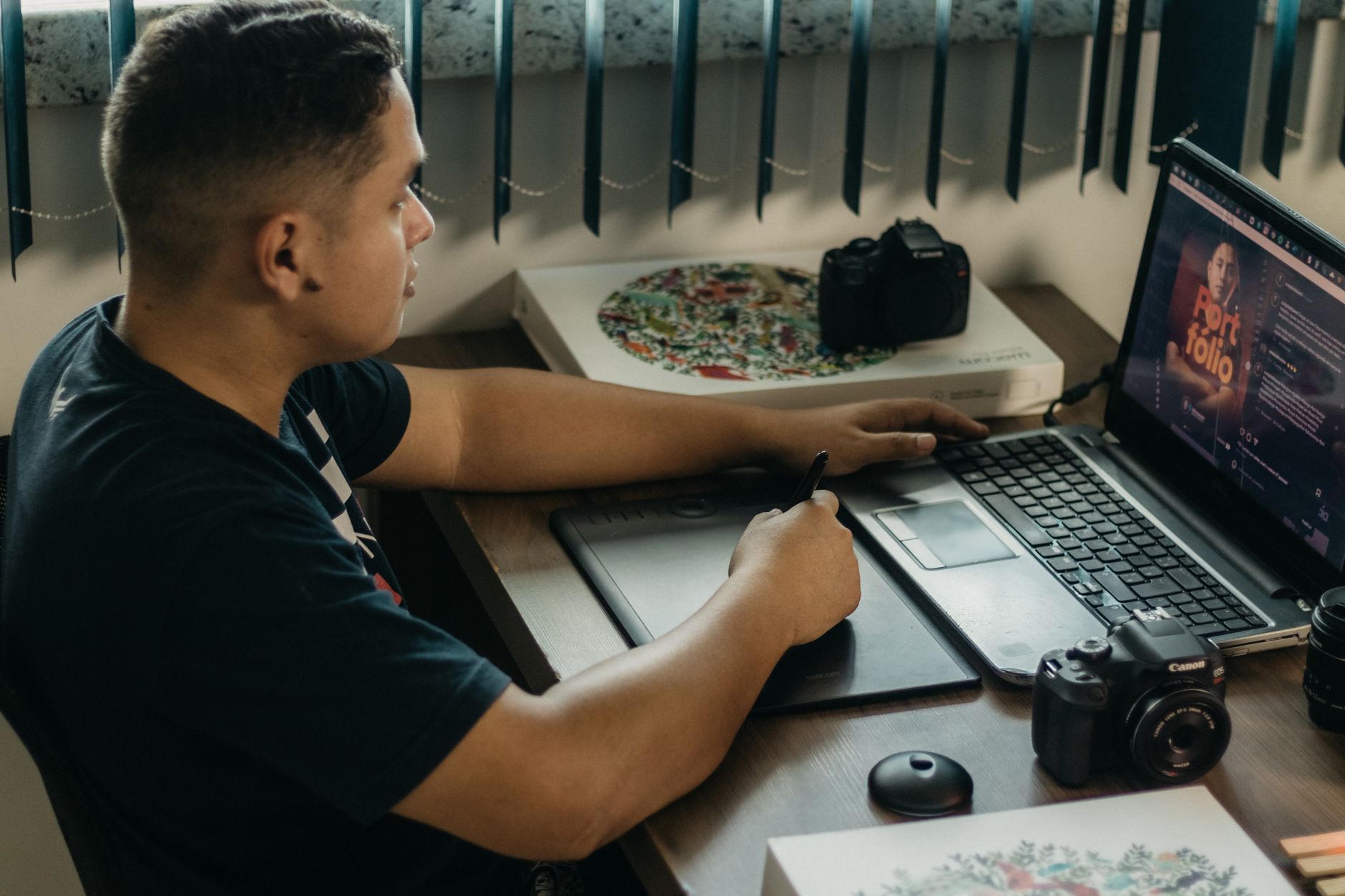
Man editing photos on a laptop using a graphics tablet, set in an indoor workspace with camera equipment.Photo: Kawê Rodrigues / Pexels

Build Your Best Online Portfolio for Artists Now

Unlock your artistic potential and reach a global audience with a professional, engaging online portfolio designed for success.

Start Your Portfolio Today

Key Takeaways

  • ✓ An online portfolio is essential for artists to gain visibility in today's digital age.
  • ✓ A well-curated online portfolio can serve as your 24/7 digital gallery and resume.
  • ✓ Showcasing your unique artistic brand is crucial for standing out in a crowded market.
  • ✓ Strategic use of SEO and social media integration can dramatically increase your portfolio's reach.

How It Works

1
Define Your Artistic Niche

Identify your unique style, target audience, and career goals to inform your portfolio's direction. This clarity ensures your work resonates with the right viewers.

2
Select Your Best Work

Curate a compelling collection of 10-20 high-quality pieces that represent your artistic range and expertise. Quality over quantity is key to making a strong impression.

3
Choose a Portfolio Platform

Research and select an online platform that aligns with your technical skills, budget, and desired level of customization. Options range from dedicated portfolio sites to custom websites.

4
Build and Optimize Your Site

Upload your artwork with detailed descriptions, artist statements, and contact information. Optimize your site for search engines and mobile responsiveness to maximize visibility.

The Indispensable Value of an Artist Website

Close-up of a person using a laptop indoors while browsing a photography portfolio.Photo: VAZHNIK / Pexels
In an increasingly digital world, an online portfolio for artists is no longer a luxury but a fundamental necessity for career growth and visibility. Think of it as your primary digital storefront, a perpetually open gallery that showcases your talent to a global audience, 24 hours a day, 7 days a week. For too long, artists have relied on word-of-mouth, physical exhibitions, or rudimentary social media profiles to present their work. While these avenues have their place, they often lack the professionalism, control, and comprehensive presentation that a dedicated artist website provides. An online portfolio allows you to meticulously curate your body of work, presenting it in a way that truly reflects your artistic vision and brand. You control the narrative, the aesthetic, and the user experience. Unlike social media platforms, which are subject to ever-changing algorithms and design constraints, your personal website is your own digital real estate. It offers a stable, professional, and accessible hub for potential clients, galleries, collectors, and collaborators to discover your art. This dedicated space enables you to include high-resolution images, detailed descriptions, artist statements, CVs, testimonials, and even e-commerce functionalities, all in one cohesive location. Furthermore, an online portfolio acts as a powerful marketing tool. It provides a central link to share across all your promotional channels – social media, email signatures, business cards, and exhibition materials. When someone expresses interest in your work, instead of directing them to a fragmented collection of posts, you can send them to a single, professional destination where they can explore your entire oeuvre. This not only enhances your credibility but also streamlines the discovery process for your audience. For emerging artists, it levels the playing field, allowing them to compete with established names by presenting their work with equal professionalism. For established artists, it reinforces their brand and expands their reach beyond local boundaries. Consider the convenience for your audience. A potential buyer in another state or country can explore your portfolio at their leisure, without geographical or time constraints. A gallery owner can quickly assess your suitability for an upcoming show. A commissioning client can review your style and past projects to determine if you’re the right fit. This accessibility is paramount in today's fast-paced environment. Moreover, an online portfolio provides invaluable insights through analytics, allowing you to understand who is visiting your site, what pieces they are engaging with most, and where your traffic is coming from. This data can inform your marketing strategies and help you tailor your content to better serve your audience and achieve your artistic goals. The investment in building a robust online presence through a dedicated artist website is an investment in your artistic career, offering unparalleled opportunities for exposure, networking, and commercial success. It's about taking control of your artistic narrative and making your mark in the digital art world. For more in-depth guidance on specific platforms, explore our article on choosing the best portfolio platforms.

Crafting a Compelling Digital Art Portfolio

A person pins sketches on a corkboard, showcasing autumn leaf drawings in an artistic setup.Photo: RDNE Stock project / Pexels
Building an effective online portfolio for artists goes beyond simply uploading images; it requires strategic curation and thoughtful presentation to truly captivate your audience. The first critical step is selection: choose your best work, not all your work. A common mistake is to include every piece you’ve ever created. Instead, focus on 10-20 high-quality pieces that showcase your technical skill, artistic range, and unique vision. These should be your strongest, most representative works that align with your artistic brand and the type of opportunities you’re seeking. If you specialize in multiple mediums or styles, consider organizing them into distinct galleries to maintain clarity and focus. High-resolution imagery is non-negotiable. Poorly lit, blurry, or low-resolution photographs of your artwork will instantly detract from its perceived value and professionalism. Invest time in properly photographing your work or hire a professional art photographer. Ensure consistent lighting, accurate color representation, and clean backgrounds. For 2D work, crop images cleanly, showing only the artwork itself. For 3D work, provide multiple angles and detail shots to give viewers a comprehensive understanding. Video can also be a powerful addition, especially for performance art, time-based media, or demonstrating your creative process. Each artwork should be accompanied by a concise yet informative description. This typically includes the title, medium, dimensions, and year of creation. Beyond these basic facts, consider adding a brief artist statement or anecdote about the piece. What inspired it? What techniques did you employ? What message does it convey? This contextual information adds depth and allows viewers to connect with your work on a deeper level. However, avoid overly verbose descriptions; let the art speak for itself, with the text serving as an insightful guide. Beyond individual pieces, your portfolio should tell a cohesive story about you as an artist. An 'About Me' or 'Artist Statement' page is crucial. This is where you articulate your artistic philosophy, influences, and career aspirations. Make it personal, authentic, and engaging. Include a professional headshot to put a face to the name. Your contact information should be clear, prominent, and easy to find, ideally on every page or via a dedicated contact page. Provide multiple ways to get in touch, such as an email address and links to professional social media profiles. Consider including a professional CV or resume that outlines your exhibitions, awards, education, and relevant experiences. This comprehensive approach transforms your online portfolio from a mere collection of images into a powerful, professional presentation of your artistic identity and career trajectory.

Selecting the Right Platform for Your Artistic Vision
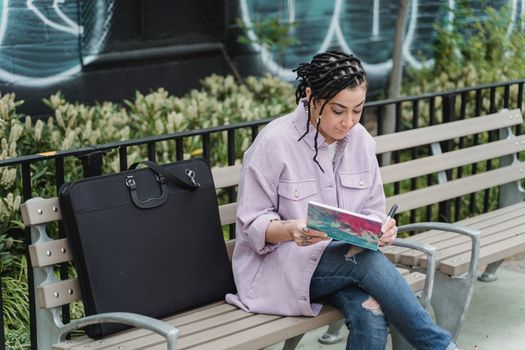
Concentrated ethnic female artist in casual clothes sitting on bench in park and drawing in sketchbookPhoto: Felicity Tai / Pexels
Choosing the optimal platform for your online portfolio for artists is a pivotal decision that will impact your site’s functionality, aesthetic, and ease of management. The landscape of portfolio builders is diverse, offering options for every skill level, budget, and artistic need. Understanding the pros and cons of each type of platform will help you make an informed choice that aligns with your specific goals. Dedicated portfolio platforms like ArtStation, Behance, and DeviantArt are popular choices, especially for digital artists, illustrators, and designers. These platforms offer a community aspect, allowing you to connect with other artists and potentially gain exposure through their built-in networks. They are often free or low-cost, provide easy-to-use templates, and are optimized for showcasing visual work. However, the trade-off is often less control over branding and design customization. Your portfolio will live within their ecosystem, and while convenient, it might not fully express your unique brand identity as a standalone website would. They are excellent starting points or supplementary platforms for broader exposure. Website builders such as Squarespace, Wix, and Format offer a more robust solution, allowing for greater creative control and branding. These platforms are designed for users with little to no coding experience, providing intuitive drag-and-drop interfaces and a wide array of professional, customizable templates. They typically include features like e-commerce integration, custom domain names, and advanced SEO tools, which are invaluable for artists looking to sell their work or gain higher search engine visibility. While they come with a monthly subscription fee, the investment often pays off in terms of professionalism, functionality, and the ability to truly make your website your own. Squarespace, in particular, is highly favored by artists for its aesthetically pleasing templates and strong visual focus. For a detailed comparison of these options, refer to our article on the best online portfolio builders. For artists with technical proficiency or those who desire ultimate control and flexibility, self-hosted WordPress with a dedicated portfolio theme is an excellent option. WordPress offers unparalleled customization, allowing you to build virtually any kind of website. However, it requires a steeper learning curve, involving managing hosting, installing themes and plugins, and regular maintenance. While it offers the most freedom, it also demands more time and technical knowledge. This option is best suited for artists who are comfortable with website management or willing to hire a developer. The decision ultimately comes down to balancing ease of use, customization needs, budget, and your long-term artistic goals. Carefully evaluate each option, considering factors like mobile responsiveness, image display quality, built-in analytics, and customer support, to ensure the platform you choose effectively serves your artistic journey.

Optimizing Your Online Portfolio for Success: Tips and Common Mistakes

Hands typing on a laptop showing an e-commerce website in a modern office setting.Photo: Shoper .pl / Pexels
Building an online portfolio for artists is only the first step; optimizing it for discoverability and engagement is crucial for achieving your career goals. Here are essential tips and common mistakes to avoid: **Essential Optimization Tips:** * **Search Engine Optimization (SEO):** Use relevant keywords throughout your site, including in image alt text, descriptions, and page titles. Think about what terms potential clients or galleries would use to find art like yours (e.g., “abstract landscape painter,” “sculpture artist NYC”). This helps search engines like Google understand and rank your content. * **Mobile Responsiveness:** Ensure your portfolio looks and functions perfectly on all devices – desktops, tablets, and smartphones. A significant portion of your audience will view your site on mobile, and a poor mobile experience can lead to high bounce rates. * **Fast Loading Speed:** Optimize image sizes and use efficient code to ensure your pages load quickly. Slow loading times frustrate users and negatively impact your search engine ranking. * **Clear Navigation:** Design an intuitive menu structure that makes it easy for visitors to find what they're looking for, whether it's your gallery, about page, or contact information. * **Regular Updates:** Keep your portfolio fresh by regularly adding new work and updating your artist statement, CV, and exhibition schedule. A stagnant portfolio signals a lack of current activity. * **Social Media Integration:** Link your social media profiles (Instagram, Facebook, Pinterest, LinkedIn) to your portfolio and vice-versa. Use social media to drive traffic to your website. * **Call-to-Action (CTA):** Include clear calls to action, such as “Inquire about this piece,” “Commission me,” or “Sign up for my newsletter,” to encourage engagement and potential sales. **Common Mistakes to Avoid:** * **Poor Image Quality:** As mentioned, low-resolution, poorly lit, or inconsistent images are a major deterrent. Your artwork deserves to be presented beautifully. * **Lack of Context:** Don't just show images; provide titles, mediums, dimensions, and brief descriptions. Help viewers understand your work. * **Overwhelming Content:** Resist the urge to include every piece you’ve ever created. Curate a strong, focused selection. Quality over quantity. * **No Contact Information:** Make it easy for people to reach you. A missing or hard-to-find contact page is a lost opportunity. * **Inconsistent Branding:** Ensure your portfolio's design, tone, and visual elements are consistent with your artistic brand across all platforms. * **Ignoring Analytics:** Don't just build it and forget it. Monitor your site's analytics to understand user behavior and identify areas for improvement. * **Neglecting the 'About Me' Page:** This is your chance to tell your story and connect with your audience. Make it engaging and authentic. By focusing on these optimization strategies and avoiding common pitfalls, your online portfolio will not only showcase your art effectively but also serve as a powerful tool for career advancement and connection.

Comparison

FeatureSquarespaceWixArtStationWordPress (Self-Hosted)
Ease of UseExcellentVery GoodGoodModerate (Steep learning curve)
CustomizationHigh (Template-driven)High (Drag-and-drop)Limited (Theme-driven)Unlimited
E-commerceBuilt-in, RobustBuilt-in, GoodMarketplace integrationPlugins available
SEO ToolsGoodGoodBasicExcellent (with plugins)
Cost (Monthly)$16-$54$16-$159Free - $9.95$5-$30+ (hosting + themes/plugins)
Community Features
Mobile Responsiveness✓ (theme-dependent)

What Our Readers Say

5 ★★★★★

"Creating my online portfolio with Squarespace was a game-changer. The templates are so elegant, and I finally have a professional space to direct clients. My sales have increased by 30% since launching it!"

5 ★★★★★

"As a sculptor, I needed a portfolio that could beautifully display 3D work. My online portfolio has allowed me to reach galleries outside of Texas and secure two major commissions this year. It's truly indispensable."

5 ★★★★★

"The detailed advice on SEO and image optimization in this guide helped me tremendously. My online portfolio for artists now ranks higher, and I'm getting more inquiries from art directors than ever before. A fantastic resource!"

4 ★★★★☆

"Setting up my online portfolio for artists took some time, especially curating the perfect selection of pieces. However, the effort has paid off, giving me a professional edge I couldn't achieve with just social media. Wish I'd started sooner."

5 ★★★★★

"My photography portfolio on Format is gorgeous and so easy to manage. It's been instrumental in landing commercial gigs and showcasing my unique style to a broader audience. Highly recommend investing in a dedicated platform."

Frequently Asked Questions

What is the most crucial element of an online portfolio for artists?
The most crucial element is high-quality, professional imagery of your artwork. Your visuals are the primary way potential clients and galleries will judge your talent. Without excellent photographs, even the best art can be overlooked. Combine this with clear descriptions and a compelling artist statement for maximum impact.
Is it better to use a free platform or invest in a paid one for my artist portfolio?
While free platforms like Behance or DeviantArt can be a good starting point for exposure, investing in a paid platform (like Squarespace or a self-hosted WordPress site) offers greater professionalism, customization, and control over your brand. Paid platforms often include features like custom domains, e-commerce, and advanced SEO, which are vital for serious artists looking to build a sustainable career.
How do I choose which artworks to include in my online portfolio?
Select your absolute best and most representative pieces, ideally 10-20. Focus on quality over quantity. Choose works that showcase your technical skill, artistic range, and unique style, and that align with the type of opportunities you are seeking. If you work in different styles, consider creating separate galleries for clarity.
How much does it typically cost to create and maintain an online portfolio for artists?
Costs can vary widely. Free platforms have no direct cost but offer limited features. Paid website builders like Squarespace or Wix typically range from $12-$30 per month. Self-hosted WordPress sites might cost $5-$15 per month for hosting, plus potential costs for premium themes or plugins, making the total annual cost anywhere from $0 to several hundred dollars, depending on your chosen solution and features.
What's the difference between an online portfolio and social media for artists?
Social media platforms (like Instagram) are excellent for daily engagement, sharing process, and building a community. However, an online portfolio is your dedicated, professional hub where you have full control over presentation, branding, and content. It's a curated gallery and resume, whereas social media is more of a dynamic, ephemeral feed. Both are valuable but serve different purposes.
Who specifically needs an online portfolio for artists?
Any visual artist who wants to be discovered, attract clients, sell work, apply for grants, residencies, or exhibitions, or simply establish a professional presence should have an online portfolio. This includes painters, sculptors, photographers, illustrators, graphic designers, digital artists, ceramicists, and textile artists, among others.
Are there any security concerns with hosting an online art portfolio?
Security concerns are minimal if you choose reputable platforms or hosting providers. Most major website builders and hosting services include SSL certificates (for secure connections) and regular backups. For self-hosted WordPress, keeping your software, themes, and plugins updated is crucial to prevent vulnerabilities. Always use strong passwords.
What future trends should artists consider for their online portfolios?
Future trends include integrating augmented reality (AR) to allow viewers to 'place' art in their homes, utilizing NFTs for digital art ownership and provenance, incorporating more interactive elements, and ensuring even greater mobile-first design. AI tools may also assist in portfolio curation and personalized viewer experiences. Staying adaptable and embracing new technologies will be key.

Don't let your incredible art remain hidden. A professionally crafted online portfolio for artists is your most powerful tool for global reach, client acquisition, and career advancement. Start building your digital art legacy today and transform your artistic passion into a thriving career.

Topics: online portfolio for artistsartist website builderdigital art portfolioshowcase artwork onlineportfolio tips for artists
Leo List
Brampton weed
Adultwork